

Tag: recommended

  • Wise Giving Wednesday: As America Nears 250, Giving USA 2026 Highlights Changing Giving Trends

    Wise Giving Wednesday: As America Nears 250, Giving USA 2026 Highlights Changing Giving Trends

    While charitable giving reached record highs in 2025, new Giving USA data suggests fewer Americans are taking part.

    The Latest Giving USA 2026 Results: A Record Year for Charitable Giving

    Last week, the Giving Institute released Giving USA 2026: The Annual Report on Philanthropy for the Year 2025.

    The report is based on research from the Indiana University Lilly Family School of Philanthropy and is the longest-running study of philanthropy in the United States.

    As the country approaches its 250th anniversary, Giving USA offers a comprehensive view of charitable giving trends. This year’s findings are both encouraging and concerning.

    Encouraging News: Total Giving Exceeded $600 Billion

    One of the report’s most encouraging findings is that charitable giving reached a record $617.2 billion in 2025, marking the first time total giving exceeded $600 billion. 

    This reflects a 3.0% inflation-adjusted increase compared with 2024. When adjusted for inflation, 2025 ranks as the second-highest year on record, behind only 2021.

    Where Charitable Donations Came From in 2025

    Giving USA reported that this $617.2 billion total in charitable contributions came from the following sources:

    • Individuals: 64% ($394.2 billion)
    • Foundations: 19% ($117.15 billion)
    • Bequests: 10% ($62.19 billion)
    • Corporations: 7% ($43.67 billion)

    Of note, bequest giving increased by 16.6% in inflation-adjusted dollars between 2024 and 2025, while foundation giving rose by 3.0%.

    Foundation giving has also grown steadily over the past 15 years, increasing from $60.46 billion (inflation-adjusted) in 2010 to $117.15 billion in 2025. This sustained growth shows the expanding role of foundations in supporting the charitable sector.

    Which Causes Saw the Largest Growth in Giving?

    Giving USA also reported growth in inflation-adjusted giving across seven of the nine charitable subsectors.

    The largest increases were in education, public-society benefit organizations, and environmental and animal organizations. Giving to religion remained relatively stable, while giving to foundations declined.

    Charitable giving was distributed across recipient categories as follows:

    • Religion: 23% ($151.58 billion)
    • Human services: 15% ($99.50 billion)
    • Education: 14% ($92.01 billion)
    • Gifts to grantmaking foundations: 12% ($79.05 billion)
    • Public-society benefit: 11% ($72.06 billion)
    • Health: 9% ($61.43 billion)
    • International affairs: 5% ($33.02 billion)
    • Arts, culture, and humanities: 4% ($27.31 billion)
    • Environment and animals: 4% ($24.57 billion)
    • To individuals: 4% ($25.77 billion)

    Why the Decline in Individual Giving Matters

    While positive at first glance, these results also raise important concerns, chief among them the declining share of charitable giving that comes from individual donors.

    Between 1986 and 1990, individuals accounted for 80% of all charitable contributions, reflecting broad-based civic engagement. By 2025, that share had fallen to 64%.

    This trend is even more concerning given that individual giving is increasingly concentrated among a smaller number of wealthier donors.

    Giving Hasn’t Kept Pace With Other Benchmarks

    Compared with GDP growth and the performance of the S&P 500 Index, Giving USA results suggest that growth in charitable giving has not kept pace with broader economic growth.

    Similarly, individual giving as a share of disposable personal income has declined, reaching 1.7% in 2025 compared with peak levels of 2.4% in both 2000 and 2005.

    Rebuilding a Culture of Generosity as America Approaches 250

    In our 2023 BBB Give.org Donor Trust Report on Donor Participation, 59% of respondents with household incomes above $70,000 who had stopped giving to charities agreed with the statement: “there are people out there with significantly more money who should give to charity instead of me.”

    Other findings from the report suggest that a leading reason people do not contribute is simply that they do not feel they have been asked. Taken together, these findings highlight the importance of building trusted community and broadening the ask.

    As we approach our nation’s 250th anniversary, these trends highlight the importance of rebuilding broad-based participation and strengthening a culture of charitable giving.


    Recent Reports

    We are always working with charities to publish or update reports for donors. Visit Give.org to check out any charity before giving. Our recently evaluated charities include:

    Finally, remember to let us know by going to give.org/charity-inquiry if you are interested in seeing a report on a charity not on the list and we will do our best to produce one.

  • Terremoto en Venezuela: Cómo Donar Con Confianza y Encontrar Organizaciones Confiables

    Terremoto en Venezuela: Cómo Donar Con Confianza y Encontrar Organizaciones Confiables

    Cuando ocurre un desastre, la generosidad se moviliza rápido; estos consejos y organizaciones confiables pueden ayudarte a apoyar la ayuda en Venezuela con confianza.

    Los terremotos en Venezuela dejan a comunidades con necesidades urgentes

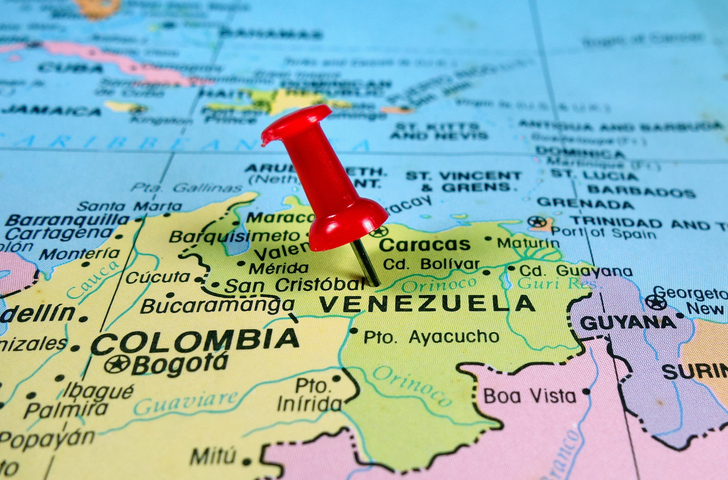
    En la noche del 24 de junio, dos fuertes terremotos de magnitud 7.2 y 7.5 sacudieron Venezuela. Los sismos ocurrieron con muy poco tiempo de diferencia, lo que aumentó el riesgo de daños en estructuras que ya se encontraban debilitadas.

    Según los reportes de Associated Press publicadas el 25 de junio, las autoridades informan que el terremoto doble ha dejado al menos 235 personas fallecidas y 4,300 heridas. Se espera que la cifra aumente a medida que continúan las labores de búsqueda y rescate, ya que se cree que muchas personas siguen atrapadas y miles han sido reportadas como desaparecidas.

    Los terremotos también provocaron daños generalizados, obligaron al cierre de un aeropuerto importante, interrumpieron el servicio de electricidad y de telefonía celular, y dejaron a muchas personas desplazadas o con necesidad urgente de refugio, alimentos, agua potable y atención médica.

    Esta tragedia ocurre mientras Venezuela continúa enfrentando desafíos económicos y de infraestructura.

    Cómo donar responsablemente para apoyar la ayuda tras el terremoto en Venezuela

    Para quienes desean apoyar a las organizaciones que están brindando ayuda humanitaria en Venezuela, aquí compartimos algunas recomendaciones para que puedan donar con confianza y de manera informada a quienes más lo necesitan:

    Busque Organizaciones con Presencia Local. 

    Las organizaciones benéficas que ya cuentan con operaciones establecidas en las zonas afectadas suelen estar mejor preparadas para responder con rapidez y brindar ayuda a quienes la necesitan. Algunas organizaciones recaudan fondos para apoyar a otras entidades que trabajan directamente en el terreno. En estos casos, puede que prefieras donar directamente a las organizaciones con una presencia establecida en la región afectada.

    Busque Solicitudes Claras. 

    Asegúrate de que la campaña explique de forma transparente y específica qué tipo de ayuda humanitaria estas apoyando. Según nuestro Give.org Donor Trust Report, solo el 24% de los posibles donantes consideran que las solicitudes de apoyo para emergencias son “muy claras”.

    Elije Organizaciones con Experiencia. 

    Apoya organizaciones con trayectoria y la capacidad de responder de manera rápida y eficaz ante emergencias. Tenga más cuidado con las organizaciones creadas después de un desastre. Aunque sus intenciones sean buenas, es posible que no cuenten con la experiencia, la infraestructura o los recursos necesarios para llevar a cabo las labores de ayuda que prometen.

    Dona dinero en Lugar de Artículos. 

    En la mayoría de los casos, donar dinero es la forma más rápida y eficaz de ayudar, ya que permite a las organizaciones destinar los recursos a las necesidades más urgentes. Aunque las campañas de donación de artículos tienen buenas intenciones, suelen ser menos efectivas en casos de desastres internacionales, debido a que el transporte, almacenamiento y distribución de los bienes donados pueden retrasar las labores de ayuda.

    Infórmese Sobre las Plataformas de “Crowdfunding.” 

    Si está considerando donar mediante una campaña en una plataformas de recaudación colectiva, lo más seguro es contribuir a alguien que usted conozca y en quien confíe. Revise las políticas y procedimientos de la plataforma, teniendo en cuenta que algunas verifican las campañas antes de publicarlas, mientras que otras no realizan ese tipo de revisión. 

    Verifica si la Organización es confiable.

    Puedes encontrar organizaciones que cumplen con los 20 Estándares para Organizaciones Benéficas del BBB (Better Business Bureau), en Give.org.

    Organizaciones confiables que apoyan la ayuda tras el terremoto en Venezuela

    Las siguientes organizaciones, acreditadas por el BBB (Better Business Bureau), están recaudando fondos para apoyar las labores de ayuda tras los terremotos en Venezuela. A medida que otras organizaciones acreditadas reporten que están ayudando, serán agregadas a esta lista. (actualizado 7/15/26)

    Organización BeneficaInforme BBB Give.orgEsfuerzos de ayuda
    American Jewish Joint Distribution CommitteeVer informeVer esfuerzos
    AmericaresVer informeVer esfuerzos
    Catholic Relief ServicesVer informeVer esfuerzos
    Direct ReliefVer informeVer esfuerzos
    GlobalGivingVer informeVer esfuerzos
    Heart to Heart InternationalVer informeVer esfuerzos
    International Medical CorpsVer informeVer esfuerzos
    International Rescue CommitteeVer informeVer esfuerzos
    Oxfam AmericaVer informeVer esfuerzos
    Project HOPEVer informeVer esfuerzos
    Save the ChildrenVer informeVer esfuerzos
    UNICEF USAVer informeVer esfuerzos
    World VisionVer informeVer esfuerzos

    Manténgase al día sobre las labores de ayuda

    ¿Quiere conocer la información más reciente sobre cómo las organizaciones benéficas acreditadas están respondiendo a los terremotos en Venezuela?

    Lea nuestra más reciente publicación de Wise Giving Wednesday: Organizaciones benéficas acreditadas que responden a los terremotos en Venezuela (en inglés) para conocer cómo las organizaciones benéficas acreditadas por BBB están brindando atención médica de emergencia, alimentos, refugio, protección infantil y otros servicios esenciales de ayuda humanitaria.

  • Venezuela Earthquake Relief: How to Donate Wisely and Find Trusted Charities

    Venezuela Earthquake Relief: How to Donate Wisely and Find Trusted Charities

    When disaster strikes, generosity moves fast. These tips and trusted charities can help you support Venezuela earthquake relief with confidence.

    Venezuela Earthquakes Leave Communities in Urgent Need

    On the evening of June 24th, two powerful earthquakes measuring magnitude 7.2 and 7.5 struck Venezuela. The earthquakes struck in close succession, increasing the risk of damage to already weakened structures.

    According to June 25th Associated Press reporting, officials say the unusual earthquake doublet has killed at least 235 people and injured 4,300. The toll is expected to rise as search and rescue operations continue, with many people still believed to be trapped and thousands reported missing.

    The earthquakes also caused extensive damage, forced the closure of a major airport, disrupted power and cellular service, and left many people displaced or in urgent need of shelter, food, clean water, and medical care. The disaster comes as Venezuela continues to face economic and infrastructure challenges

    How to Donate Wisely to Venezuela Earthquake Relief

    For those looking to support organizations providing relief in Venezuela, here are some tips to help you make informed giving decisions and ensure your donation reaches those most in need:

    Look for On-the-Ground Presence. 

    Charities with established operations in affected areas are often better positioned to respond quickly and deliver assistance to people in need. Some organizations may raise funds to support other relief organizations working on the ground. If that’s the case, you may prefer to donate directly to charities with an established presence in the affected region.

    Seek Clear Appeals.

    Look for appeals that are upfront and clear about what disaster relief services you are supporting. According to our Give.org Donor Trust Report on disaster relief, only 24% of potential donors believe disaster relief appeals are “very clear.”

    Choose Experienced Organizations. 

    Support experienced organizations with the capacity to respond quickly and effectively. Be cautious of organizations formed in the wake of a disaster. While they may be well intentioned, they may not have the experience or infrastructure needed to deliver on their stated relief efforts.

    Give Money Rather Than Goods.

    Donating money is typically the quickest and most effective way to help, giving charities the flexibility to direct resources where they are needed most. In-kind donation drives, while well intentioned, are often less effective, particularly following international disasters, where transporting, storing, and distributing donated goods can delay relief efforts.

    Understand Crowdfunding. 

    If considering crowdfunding, it is safest to give to someone you personally know and trust. Review the platform’s policies and procedures, keeping in mind that while some crowdfunding sites take measures to vet posts, others don’t.

    Verify Charity Trustworthiness 

    You can verify a charity’s trustworthiness by checking if they meet the 20 BBB Standards for Charity Accountability on Give.org.

    Trusted Charities Supporting Venezuela Earthquake Relief

    The following BBB Accredited Charities are supporting Venezuela earthquake relief through emergency response and recovery efforts. We will continue updating this list as additional accredited charities announce response activities. (updated 8/12/26)

    Charity NameBBB Give.org ReportRelief Efforts
    American Jewish Joint Distribution CommitteeReview ReportRelief efforts
    AmericaresReview ReportRelief efforts
    CARE USAReview ReportRelief efforts
    Catholic Relief ServicesReview ReportRelief efforts
    Direct ReliefReview ReportRelief efforts
    GlobalGivingReview ReportRelief efforts
    Heart to Heart InternationalReview ReportRelief efforts
    Helping Hand for Relief and DevelopmentReview ReportRelief efforts
    International Medical CorpsReview ReportRelief efforts
    International Rescue CommitteeReview ReportRelief efforts
    Oxfam AmericaReview ReportRelief efforts
    Project HOPEReview ReportRelief efforts
    Save the ChildrenReview ReportRelief efforts
    UNICEF USAReview ReportRelief efforts
    WaterStepReview ReportRelief efforts
    World ReliefReview ReportRelief efforts
    World VisionReview ReportRelief efforts

    Stay Updated on Venezuela Relief Efforts

    Looking for the latest information on how accredited charities are responding to the Venezuela earthquakes?

    Read our latest Wise Giving Wednesday: Trusted Charities Responding to the Venezuela Earthquakes to learn how BBB Accredited Charities are providing emergency medical care, food, shelter, child protection, and other critical relief services.

    Colombia Earthquake Relief: How to Help

    A powerful earthquake struck Colombia on August 10, leaving communities in need of emergency assistance and long-term recovery support. If you’re looking for ways to help, read our Colombia earthquake relief guide for tips on donating wisely and a list of BBB Accredited Charities supporting relief efforts.

  • Wise Giving Wednesday: Understanding Charity Compensation

    Wise Giving Wednesday: Understanding Charity Compensation

    Charity compensation often raises questions, but a salary figure alone rarely tells the full story.

    Why Charities Need Paid Professionals

    A common refrain when the topic of charitable giving comes up is that “charity CEOs and staff make too much money” or that “charities should only be spending money on programs.”

    When giving a heartfelt gift to an organization helping those less fortunate or one that aligns with your personal values, it is natural to want all of the donation to directly benefit the cause. The desire to ensure that “every cent” reaches those in need can be especially powerful during emergencies, such as natural disasters. For example, in the aftermath of a hurricane or wildfire, many people feel compelled to help right away.

    However, even the most efficient charities cannot do their work without compensated professionals. Volunteers are essential to many charitable organizations, but for most charities, relying exclusively on volunteers is not realistic or practical.

    Common Questions About Charity Compensation

    Here are some frequent questions about charity salaries:

    Are all salaries “overhead” expenses?

    One common misperception is that all charity salaries are “administrative” or “overhead” expenses. This is not the case, as salaries can appropriately be allocated across major expense categories: program, fundraising, or management and general, depending on how the employee’s time is spent. 

    A single staff member at an animal shelter, for example, may spend time providing direct adoption services in the morning (program expense), managing staff schedules during her working lunch (management and general expense), and calling donors in the afternoon (fundraising expense). One staff person. Three roles. All critical to the success of the charitable mission.

    Where can I find out how much charity executives are paid?

    You can find key information about charity employee and officer compensation, as well as a roster of the board of directors, in the IRS Form 990, the annual financial form completed by charities (excluding houses of worship). This level of transparency is not often seen in the business world but has been standard practice in philanthropy for decades.

    You can visit the IRS website to search for charity Form 990s here. You can also find the CEO or chief executive salary information in the “governance and staff” section of each BBB WGA charity report. An alphabetical list of BBB WGA charity reports is available here.

    How is charity CEO salary determined?

    Determining a chief executive officer’s salary is a core responsibility of the board of directors. The board considers a number of factors when determining CEO compensation, including the charity’s location and cost of living, nonprofit salary surveys, the size of the organization’s staff and finances, specific executive responsibilities, and the individual’s professional experience, among other factors.

    A CEO of a large charity with revenue and expenses in the tens of millions of dollars, thousands of employees, and domestic and international programs will naturally have a different level of compensation than the executive director of a small, local animal shelter. Both charities are doing important work, but there are significant differences in the scope of responsibility.

    Charity executive salaries are, generally speaking, much lower than those for similar positions in the private sector. While most people want to earn a competitive living, charity executives and staff are often mission-driven and motivated by more than just a large paycheck.

    Compensation, Transparency, and Mission

    Transparency about compensation is an important part of charitable accountability. At the same time, charities need skilled, dedicated professionals to deliver effective programs, manage resources responsibly, and achieve lasting impact. Understanding how salaries support an organization’s mission allows donors to make more informed giving decisions.


    Recent Reports

    We are always working with charities to publish or update reports for donors. Visit Give.org to check out any charity before giving. Our recently evaluated charities include:

    Finally, remember to let us know by going to give.org/charity-inquiry if you are interested in seeing a report on a charity not on the list and we will do our best to produce one.
  • Wise Giving Wednesday: What Donors Across Generations Expect from Online Giving Platforms

    Wise Giving Wednesday: What Donors Across Generations Expect from Online Giving Platforms

    Donors expect online giving platforms to do more than make giving easy—trust in giving platforms comes with expectations of accuracy, transparency, and charity consent.

    The Growing Role of Online Giving Platforms

    Online giving platforms have become an increasingly important part of the charitable ecosystem, expanding significantly over the past two decades as organizations developed tools that aggregate nonprofit information and facilitate digital giving.

    At the same time, recent litigation, regulatory activity, and sector-wide discussions have raised questions about charity consent, transparency, donor expectations, and the broader role these platforms play in charitable giving.

    While donor preferences and protections are often central to these conversations, donor views themselves have been measured less directly.

    New Research on Online Giving Platforms and Donor Expectations

    Our new BBB Give.org Special Donor Trust Report, Online Giving Platforms and Donor Expectations examines how donors use online giving platforms and, importantly, what they assume, expect, and prefer regarding platform practices, nonprofit authorization, donor information sharing, and the overall giving experience.

    How Online Giving Platforms Influence Donor Trust

    One of the clearest findings is that donors across generations place significant trust in online giving platforms, and this comes with important expectations.

    Among giving platform users, 62% say that a charity’s presence on a well-known giving platform increases their trust in that organization.

    Respondents also report that trust is strongly influenced by transparency about fees and how funds are used, clear and accurate information about listed charities, and assurance that charities have agreed to be listed on the platform.

    How Donor Expectations Differ Across Generations

    At the same time, the survey reveals important generational differences in how donors discover charities, what they assume about platform operations, and what they expect from the giving experience.

    Younger donors are more likely to discover charities online.

    Our survey shows that nearly 60% of adults age 44 and younger say they learn about charitable organizations through social media, and about 29% through giving platforms. Gen Zers and Millennials are especially likely to use giving platforms to discover charities, with 82% of each group reporting they use giving platforms often or sometimes for this purpose.

    On the other hand, Matures and Boomers are more likely to say they rarely or never use giving platforms for discovery. Rather than browsing for new organizations, they are more likely to visit a platform to support charities they already know.

    Younger donors are more likely to see platform presence as a trust signal.

    Younger generations are especially likely to say that a charity’s presence on a well-known giving platform increases their trust in the organization. For example, 58% of Millennials say platform presence increases trust, compared with only 27% of Matures. These findings suggest that younger donors may be more likely to view platforms not only as payment tools, but as environments for charitable discovery.

    Younger donors are more likely to assume charities are involved in managing their platform pages.

    Most respondents assume that charities either create, maintain, or can modify their donation pages on giving platforms. These assumptions are particularly prevalent among younger generations. Among Gen Z respondents, 45% believe charities create and manage the content of their donation pages, while an additional 32% believe platforms create the pages but charities can edit them.

    In contrast, older generations are significantly more likely to say they do not know who manages charity pages on online giving platforms. Across all age groups, relatively few respondents believe that the platform alone creates and manages charity content without any involvement from the charity itself.

    Older donors place greater emphasis on verification and oversight.

    Respondents across generations expect platforms to play an important role in maintaining trust. However, older donors are especially likely to expect platforms to verify tax-exempt status, ensure information is accurate and current, and confirm compliance with fundraising regulations.

    For example, 63% of Boomers expect platforms to ensure that charity information is timely and accurate, compared with 36% of Gen Z respondents. These findings suggest that while younger and older donors value trust, they may define it differently.

    Donors across generations prefer charity consent.

    One of the most consistent findings in the survey concerns charity consent. When asked to choose between a platform that includes only charities that have explicitly agreed to participate and a platform that includes as many charities as possible, a majority of respondents preferred the platform that includes only authorized charities.

    Younger generations are somewhat more receptive to broad inclusion and discovery-oriented models. Nevertheless, most respondents across all generations favor platforms that include charities that have explicitly agreed to be listed or partnered with the platform. For example, 63% of Boomers prefer an authorization-based model, compared with 45% of Millennials.

    Donors, especially young adults, value relationships.

    Younger generations are more likely to say they want to feel connected to the charities they support and receive updates and communications after making a donation, with nearly half of Millennials saying they prefer to feel connected to the charity, including receiving updates and communication from them.

    Building Trust Through Transparency and Accountability

    Across generations, the findings suggest that the future of online giving platforms depends on balancing two important priorities: making charitable discovery and giving easier while maintaining the transparency and accountability donors expect.

    Donors value the convenience and connections these platforms can provide, but they also expect clear information, charity authorization, and responsible stewardship. Building trust across generations will require attention to all of these expectations.

    Explore More Findings and Download the Full Report

    Explore additional findings about donor expectations, generational differences, and trust in online giving platforms.

    Donor Trust Special Report: Online Giving Platforms and Donor Expectations


    Recent Reports

    We are always working with charities to publish or update reports for donors. Visit Give.org to check out any charity before giving. Our recently evaluated charities include:

    Finally, remember to let us know by going to give.org/charity-inquiry if you are interested in seeing a report on a charity not on the list and we will do our best to produce one.
  • BBB’s Give.org Study: Trust in Giving Platforms Comes With Expectations of Accuracy, Transparency and Charity Consent

    BBB’s Give.org Study: Trust in Giving Platforms Comes With Expectations of Accuracy, Transparency and Charity Consent

    Arlington, VA (June 16, 2026) – According to new research from BBB’s Give.org, 62% of giving platform users say a charity’s presence on a well-known online donation platform would increase their trust in the charity. At the same time, 48% assume that charities themselves are responsible for creating and managing their donation pages. Respondents also say their trust is most strongly driven by clear and accurate information about listed charities (51%), transparency about fees and how funds are used (53%), and assurance that charities agreed to be listed on the platform (43%).

    The standards-based, charity-evaluation group today released the Give.org Special Donor Trust Report: Online Giving Platforms and Donor Expectations. The report, based on a May 2026 survey of more than 1,500 U.S. adults, explores how donors use online giving platforms, and what they assume, expect and prefer about platforms.

    “Online giving platforms are increasingly shaping how people, and especially younger generation, discover and support charities,” said Bennett Weiner, President and CEO of BBB’s Give.org. “Our findings suggest that many interpret a charity’s presence on a well-known platform as a signal of trust, charity consent, and platform oversight. Donors value convenience and discovery, but they also expect transparency, secure handling of donations, accurate information, and meaningful charity involvement in how organizations are represented online.”

    Other report highlights include:

    • Giving platform users say they most frequently learn about charities through social media (54%) or friends (40%).

    • 82% of Gen Zers and Millennials report using giving platforms often or sometimes specifically to discover charities.

    • 62% among platform users (and 47% overall) said a charity’s presence on a well-known donation platform would increase their trust for the charity.

    • 48 % among giving platform users (and 41% overall) assume that charities themselves are responsible for creating and managing their donation pages. Only 12% respondents assume giving platforms create and manage charity pages.

    • 60% among giving platform users (and 56% overall) say they want giving platforms to obtain a charity’s permission before creating a profile on the charity’s behalf.

    • 51% among platform users (and 49% overall) expect platforms to ensure that the information displayed is accurate and timely.

    • When asked to choose between donation platforms that include only charities that have explicitly agreed to participate and platforms that include as many charities as possible, more than half (55% among giving platform users and 53% overall) prefer platforms that list only charities that have agreed to be included. Younger generations are more receptive to platforms that prioritize broad charity inclusion and discovery, with 35% of Gen Zers and 34% of Millennials preferring platforms that include as many charities as possible.

    • When donating to a charity on an online giving platform, 49% of users prefer feeling connected to the charity and receiving updates, rather than avoiding follow-up contact

    • Among giving platform users, trust in online donation platforms is most strongly driven by clear and accurate information about listed charities (51%), transparency about fees and how funds are used (53%), and assurance that charities have agreed to be listed on the platform (43%).

    For a free copy of the report, go to Give.org/DonorTrust.

    Generational age ranges used in the Give.org Donor Trust Report: Generation Z (18-27), Millennial (28-44) Generation X (45-60) Boomers (61-79), Matures (80 and above).

    BBB’s Give.org urges donors to give thoughtfully by taking the time to investigate charities before making a donation and to visit Give.org to verify if a charity meets the 20 BBB Standards for Charity Accountability.

    ABOUT BBB WISE GIVING ALLIANCE: BBB Wise Giving Alliance (BBB’s Give.org) is a standards-based charity evaluator that seeks to verify the trustworthiness of nationally soliciting charities by completing rigorous evaluations based on 20 holistic standards that address charity governance, results reporting, finances, fundraising, appeal accuracy and other issues. National charity reports are produced by BBB’s Give.org and local charity reports are produced by local Better Business Bureaus – all reports are available for free at Give.org.

    MEDIA CONTACTS: For more information, journalists should contact Elvia Castro (703-247-9322 or ecastro@give.org)

  • Wise Giving Wednesday: Prepare for Hurricane Season and Giving Wisely After a Storm

    Wise Giving Wednesday: Prepare for Hurricane Season and Giving Wisely After a Storm

    Preparing for hurricane season is about protecting your household and knowing how to help when a storm hits.

    What NOAA Predicts for the 2026 Atlantic Hurricane Season

    June marks the beginning of Atlantic Hurricane season in the US. While no major hurricane made landfall in 2025 for the first time in a decade, it isn’t a wise gamble to predict a similar outcome this year.

    The National Oceanic and Atmospheric Administration predicts a 10% chance of an above-normal season and a 35% chance of a near-normal season.

    Specifically, its 2026 Atlantic hurricane season outlook calls for a 70% probability of between 8 and 14 named storms, 3 to 6 hurricanes, and 1 to 3 major hurricanes. These ranges fall below the “normal” season averages of 14 named storms, 7 hurricanes, and 3 major hurricanes.

    Most of the predicted activity is likely to occur during August-September-October (ASO), the peak months of the hurricane season.

    Preparing for a Hurricane Before the Storm

    A prudent approach is to focus on preparedness and readiness for the range of possible outcomes.

    Just two seasons ago, Hurricane Helene caused significant damage after making landfall in Florida, with impacts felt far inland, including catastrophic flooding, wind damage, and widespread power outages across parts of the Southeast, including Western North Carolina and East Tennessee, not the first places you think of when you think of “coastal” storms.

    In preparation for the season, here are some tips taken from both the CDC and American Red Cross about staying safe in case a dangerous hurricane makes an unwanted appearance in your neck of the woods.

    Keep in mind this is not a comprehensive list, so please visit the above sites and pay attention to local authorities and resources as well.

    • Formulate a plan. Keep emergency numbers handy. Locate the nearest shelter, including those that accept animals.

    • Gather emergency supplies. Include nonperishable food, plenty of water, power sources, and basic tools. Don’t forget essentials such as medication and important paperwork.

    • Prepare your home. Clear your yard of debris, cover windows and doors, and ensure you have plenty of batteries for important devices such as carbon monoxide and fire alarms.

    • Fill your car’s gas tank. Fuel may be harder to find once a storm is approaching or after power outages.

    • Visit the National Hurricane Center. Check the Center’s hurricane watches and warnings for the latest information.

    How to Give Wisely After a Hurricane

    Tips from the Wise Giving Alliance about giving in hurricane aftermath:

    • Understand what issues the charity is addressing. Is the organization focused on food, shelter, medical care, cleanup or long-term rebuilding? Visit charity websites to learn about the specific activities the charity is engaged in.

    • Be cautious of in-kind gifts. While well-meaning, the logistics of shipping physical items can be extremely difficult during disasters. Monetary donations tend to be more efficient during emergencies. When making an in-kind contribution it is best to work through charities that have established distribution networks already in place.

    • Sustained giving is crucial. Remember that charities need money well before and after the storm. Sustained giving can be a good choice as preparedness, cleanup, and rebuilding, doesn’t happen overnight.

    • Verify charity trustworthiness. Consider giving to charities that meet all 20 BBB Standards for Charity Accountability (i.e., BBB Accredited Charities). Visit Give.org to find an organization doing important disaster relief work.

    For more information and tips on giving wisely after a disaster, visit our Disaster Relief and Preparedness cause page.

    Stay safe, give wisely, and enjoy the beginning of vacation season.


    Recent Reports

    We are always working with charities to publish or update reports for donors. Visit Give.org to check out any charity before giving. Our recently evaluated charities include:

    Finally, remember to let us know by going to give.org/charity-inquiry if you are interested in seeing a report on a charity not on the list and we will do our best to produce one.

  • Strengthening Donor Trust Through Global Charity Accountability

    Strengthening Donor Trust Through Global Charity Accountability

    No matter where charitable giving takes place, trust is built on the same foundation: transparency and accountability.

    Charity Monitoring Organizations From 19 Countries Share Insights and Challenges

    On May 28 and 29, BBB Wise Giving Alliance participated in the Annual General Meeting of Charity Monitoring Worldwide (CMW), the global association of charity monitoring organizations.

    This year’s meeting was hosted by CBF in the Netherlands, where Charity Monitoring Worldwide is legally registered.

    CMW members came together to exchange knowledge, share best practices, and advance common principles that strengthen donor confidence and support strong, trustworthy charities worldwide.

    What Is Charity Monitoring Worldwide?

    Charity Monitoring Worldwide is an international network of independent charity monitoring organizations committed to strengthening transparency, accountability, and public trust in the charitable sector.

    The organization brings together representatives from 19 countries across Europe, the Americas, Asia, and Africa, including representatives from charity monitoring organizations in Austria, Canada, Czech Republic, France, Germany, Guatemala, India, Italy, Japan, Mexico, the Netherlands, Norway, Spain, Sweden, Switzerland, Taiwan, Ukraine, the United States, and Burkina Faso.

    Together, CMW members monitor thousands of nonprofit organizations worldwide, representing more than €99 billion in aggregate monitored charity expenses.

    Why Transparency and Accountability Matter Across Borders

    Despite the diversity of our countries, cultures of giving, regulatory environments, and levels of sector maturity, participants found common ground in many of the challenges facing charities today.

    Harmienke Kloeze, Executive Director of CBF and the newly elected CMW Board Chair, noted:

    “In a time of polarization, disinformation and distrust, our data and oversight can help distinguish fact from fiction when it comes to charities. I am convinced that the sector benefits when policymakers — both nationally and internationally — as well as donors, gain a clearer understanding of the sector.”

    Addressing Emerging Issues Facing Charities Worldwide

    The exchange included conversations around the implications of reductions in government funding in many countries; changing patterns of giving worldwide; the opportunities and risks presented by artificial intelligence; and ways to further strengthen global collaboration.

    Participants also explored the value of a risk-based and proportionate approach to oversight across both regulatory frameworks and charity monitoring, strengthening donor trust while avoiding undue burdens on charities.

    The meeting reinforced the importance of international cooperation in supporting a resilient, transparent, and trusted nonprofit sector worldwide.


  • Wise Giving Wednesday: Support Trusted Charities Responding to the Ebola Outbreak

    Wise Giving Wednesday: Support Trusted Charities Responding to the Ebola Outbreak

    When an outbreak draws urgent attention, thoughtful giving matters. Here’s how to support trusted Ebola response efforts and avoid scams.

    The Ebola Outbreak in the DRC and Uganda

    An Ebola outbreak centered in the Democratic Republic of the Congo (DRC) and affecting neighboring Uganda is drawing increasing attention from public health authorities, humanitarian organizations, and governments around the world.

    While experts are not calling for panic, many are emphasizing the importance of early action to support containment efforts and protect vulnerable communities.

    Responses from Health Authorities and Humanitarian Organizations

    Responders are working to contain the disease while navigating a complex operating environment. 

    According to ABC News, medical professionals on the ground describe an environment marked by fear, misinformation, insecurity, and distrust, making it harder to identify cases, trace contacts, and encourage people to seek treatment.

    International health authorities stress that containment remains the priority.

    The World Health Organization has declared the outbreak a Public Health Emergency of International Concern, while the U.S. Centers for Disease Control and Prevention is actively supporting response efforts. The Gates Foundation recently announced an initial $15 million commitment to support the African-led response, highlighting the importance of coordinated international action.

    Public health experts note that Ebola is not spread through the air and that rapid identification, isolation, and other infection-control measures remain effective tools for limiting transmission.

    Why Early Action Is Critical to Containment

    International Rescue Committee (IRC), a BBB Accredited Charity, warned that delayed detection and gaps in contact tracing may mean the outbreak has been spreading undetected for longer than initially understood.

    At the same time, the organization emphasized that strengthening infection prevention, supporting frontline health workers, and improving community outreach can help contain further spread.

    Trusted Charities Responding to the Ebola Outbreak

    For donors considering support, informed giving can help ensure resources reach the people and communities most affected. Below is a list of BBB Accredited Charities responding to the Ebola outbreak. This list will be updated as we learn of other BBB Accredited Charities supporting the response.
    (Updated Oct 15, 2026)
    Charity NameBBB Give.org ReportRelief Efforts
    Americares FoundationReview ReportLearn more and donate
    Catholic Relief ServicesReview ReportLearn more and donate
    Direct ReliefReview ReportLearn more and donate
    Episcopal Relief & DevelopmentReview ReportLearn more and donate
    Global ImpactReview ReportLearn more and donate
    International Rescue CommitteeReview ReportLearn more and donate
    OxfamReview ReportLearn more and donate
    Project HOPEReview ReportLearn more and donate
    Save the ChildrenReview ReportLearn more and donate
    UNICEF USAReview ReportLearn more and donate

    Tips for Avoiding Ebola Donation Scams

    Times of heightened public attention can also create opportunities for bad actors. Before you donate, watch for these common warning signs and take a few moments to verify where your money is going.

    1. Pause When an Appeal Uses High-Pressure Tactics

    Scammers frequently manipulate emotions with urgent stories about people or animals in desperate need, while providing few verifiable details. Even during genuine times of need, trustworthy charities will welcome follow-up questions and will gladly accept your donation when you are ready.

    2. Avoid Unusual Payment Methods

    Be cautious if someone insists on payment with cryptocurrency like Bitcoin and avoid any requests to donate via gift cards, wire transfers, cash apps or virtual currency. Requests for these payment methods are common warning signs of scams because the funds are often difficult or impossible to recover.

    3. Double-Check Similar-Sounding Charity Names

    Be cautious of appeals that use names very similar to well-known charities. Scammers often rely on familiarity and goodwill, counting on donors who may not pause to verify before giving.

    4. Watch for Charity Impersonation

    Carefully check website addresses, usernames, and donation links. If you donate through Venmo, PayPal, or Cash App, make sure you are using the charity’s official and verified account. Scammers may create look-alike usernames, profiles, or QR codes that closely resemble legitimate organizations. When possible, navigate to the payment account through the charity’s official website or look for verification indicators provided by the platform before sending money.

    5. Take a Moment to Research the Charity

    Take time to visit the charity’s website, visit Give.org, or verify that the charity is registered with the IRS or your state charity regulator. You can verify an organization’s charitable tax-exempt status through the IRS Tax Exempt Organization Search. In addition, about 40 states require charities to register with the attorney general’s office or secretary of state before soliciting donations.

    6. Report Suspected Donation Scams

    If something feels unusual (whether it is the tone of a message, an unexpected payment request, or a new account claiming to represent a familiar organization) contact the charity directly using information from its official website. If you encounter a potential scam, contact your state attorney general’s office or the Federal Trade Commission to help authorities investigate questionable activities.

    Support Ebola Response Efforts With Confidence

    Before giving, visit Give.org to see whether the charity you’re considering meets the 20 BBB Standards for Charity Accountability and to better understand its transparency and accountability practices.

    While outbreaks like this can feel distant, early support for trusted response organizations can help strengthen containment efforts and protect vulnerable communities. By taking the time to give thoughtfully, you can help ensure that resources reach trustworthy charities working on the front lines.


    Recent Reports

    We are always working with charities to publish or update reports for donors. Visit Give.org to check out any charity before giving. Our recently evaluated charities include:

    Finally, remember to let us know by going to give.org/charity-inquiry if you are interested in seeing a report on a charity not on the list and we will do our best to produce one.
  • Wise Giving Wednesday: Kars4Kids Ruling Highlights the Need for Clear Charity Appeals

    Wise Giving Wednesday: Kars4Kids Ruling Highlights the Need for Clear Charity Appeals

    A catchy appeal can open the door to giving, but clear charity appeals are what build lasting donor trust.

    What the Kars4Kids Ruling Found

    On May 8, 2026, the Superior Court of California ruled against Kars4Kids, a Lakewood, NJ-based charity for making untrue or misleading statements in their advertising materials.

    The ruling in the case, Puterbaugh vs. Oorah, states that the organization “should have known through reasonable care, that the statements were untrue or misleading.”

    Kars4Kids was found in violation of section 17500 of California’s Business and Professions Code, as well as section 17200 of the Unfair Competition Law (UCL).

    Why Clear Charity Appeals Matter

    The case involved the donation of a 2001 Volvo, valued at $250, to Kars4Kids. The Plaintiff donated the non-operational vehicle after his wife demanded the car be moved before a social event.

    He testified that his decision to give to Kars4Kids was influenced by the Kars4Kids jingle:

    “1-877-Kars4Kids, K-A-R-S Kars for Kids, 1-877-Kars4Kids, Donate your car today.”

    Based on these messages, the Plaintiff believed that his car donation would benefit underprivileged children in California, but later learned the donation supported a religious organization based in Lakewood, New Jersey.

    The Plaintiff noted that the “jingle” contained no religious affiliation or indication that donations would be limited by geography, religion, or ethnicity. He also indicated that he had not visited the organization’s website, as he was “not a computer person.”

    Kars4Kids’ Chief Operations Officer, Esti Landau, acknowledged the jingle, which has aired for two decades, did not provide specific details about the charity’s activities, which support summer camps in New York and New Jersey, and other religious programs serving youth and adults.

    Approximately 25% of Kars4Kids’ revenue comes from donations made in California. Landau testified that Kars4Kids has no programs in California and that the organization’s primary purpose is not to help economically disadvantaged children.

    The ruling in the case requires Kars4Kids to refund the $250 within 30 days and cease all non-compliant broadcasts within the same timeframe. You can find Kars4Kids post-trial statement here.

    BBB Wise Giving Alliance has a current nondisclosure report on Kars4Kids, as the organization has not responded to our requests for information.

    Fundraising Appeal Guidelines for Charities

    Below are some guidelines to keep in mind when developing charity communication materials:

    • Provide Clear Program Descriptions: Clearly describe the programs or services for which you are seeking contributions. Even a brief explanation can help potential donors better understand your work and how and where their support will be used.

    • Ensure Accuracy and Truthfulness: Make sure all facts and figures in your appeals are accurate, including program accomplishments, financial information, and statistics about the issues you address. Avoid creating any misleading impression. If you make claims about your program’s effectiveness or impact, ensure you have sufficient documentation to back them up.

    • Use Stories and Photos Responsibly: If you feature a story or photo about a specific individual or event, verify that it accurately reflects the situation described. If photos or stories are more than three years old, identify their age so readers don’t assume they represent current situations. For those interested in more guidance, see our previous post about photos and images in fundraising appeals.

    • Establish a Review Process: Problems with fundraising appeals can arise when fundraising operates in isolation from the rest of the organization. To help prevent this, charities should establish a regular review process that involves key staff such as legal and finance personnel, use internal guidelines or checklists to avoid recurring issues, and promote a culture of transparency and information-sharing across the organization.

    • Update Communication Materials: Review and update website content and annual reports regularly to ensure they provide a current, clear, and accurate picture of the charity’s mission, programs, and impact. Donors increasingly rely on these materials when evaluating transparency and trustworthiness.

    Tips for Donors Reviewing Charity Appeals

    The following tips can help donors assess the accuracy and transparency of charity appeals and materials:

    • Understand What You are Supporting: Look for clear descriptions of the charity’s programs and services, including how and where donations will be used.

    • Check for Accuracy: Review appeals carefully to ensure claims about impact, accomplishments, and finances appear accurate and well supported.

    • Review Stories and Images Carefully: Consider whether stories and photos accurately reflect the individuals, events, or situations described. If images or stories are more than three years old, they should be identified as such. If a photo or appeal appears to be AI-generated, you may also want to look for disclosure or ask the charity for additional information.

    • Review Website and Annual Reports: Check the charity’s website and annual reports for current, clear, and consistent information.

    • Ask Questions: If you have questions about a charity’s fundraising appeals, programs, or how donations are used, contact the charity directly for clarification. 

    Give With Confidence

    Before making a donation, take a moment to look beyond the appeal. Visit Give.org to see whether the charity you’re considering meets the 20 BBB Standards for Charity Accountability and to better understand its transparency and accountability practices.


    Recent Reports

    We are always working with charities to publish or update reports for donors. Visit Give.org to check out any charity before giving. Our recently evaluated charities include:

    Finally, remember to let us know by going to give.org/charity-inquiry if you are interested in seeing a report on a charity not on the list and we will do our best to produce one.