
Tag: recommended

  • Wise Giving Wednesday: A Few Things to Look for in a Charity’s Form 990

    Wise Giving Wednesday: A Few Things to Look for in a Charity’s Form 990

    Not sure what to look for in a charity’s Form 990? A few sections can be especially useful.

    How We Use Form 990 in Our Charity Evaluations

    At BBB Wise Giving Alliance, to prepare a charity report, we ask charities to complete a detailed online form and provide supporting materials, including annual reports, solicitation materials, and their latest financial statements.

    We evaluate publicly soliciting charities against the BBB Standards for Charity Accountability and publish our findings free to the public on Give.org to help donors make informed giving decisions. Our expert staff conduct a deep dive into the charity’s governance and oversight, effectiveness assessment and results reporting, fundraising practices, and other areas, and we work with charities toward meeting the BBB Charity Standards.

    In our evaluations, the IRS Form 990 is one piece of the puzzle. We also examine a charity’s detailed online submission, fundraising materials, annual reports and other public disclosures, as well as audited financial statements when available. Our goal is to look at a charity holistically rather than judge it by a single measure or document.

    However, BBB Wise Giving Alliance does not conduct an in-depth evaluation of every charity. If you want to know more about a charity we do not currently evaluate, asking the charity for a copy of its IRS Form 990 can be a good place to start.

    What Is IRS Form 990?

    The IRS Form 990 is an annual information return that many tax-exempt organizations file with the IRS. It contains valuable information about a charity’s activities, finances, governance, compensation, and other practices.

    You can view a blank IRS Form 990 to become familiar with the form and its sections. To find a specific charity’s Form 990, use the IRS Tax Exempt Organization Search (TEOS), which provides access to Form 990-series filings and other information about tax-exempt organizations.

    A Few Useful Sections Within the IRS Form 990

    If you’re wondering how to read a charity’s Form 990, these sections can be a useful place to start, depending on what matters most to you.

    Part I: A Quick Snapshot of the Charity

    Part I of the IRS Form 990 provides a snapshot of the organization, including its mission or purpose, significant activities, governing body, number of employees, number of volunteers, and financial activity. Here, you can quickly verify whether the mission described matches your generosity interests, whether the overall financial figures seem healthy, or get a quick sense of the size of the governing body.

    Part III provides charities with an opportunity to give a detailed description of their program activities. Here, you can get a better sense of the charity’s program accomplishments, verify that the programs are clearly connected to its mission, and check that the charity provides clear and meaningful information about its activities and accomplishments. Ambiguous statements or a lack of clarity can be a red flag.

    Part VI offers a window into how the organization is governed. It asks about the governing body, policies and practices, and the process used to review the 990. In this section, you may want to verify the size of the governing board or whether the charity has a conflict-of-interest policy. Part VI, Section A, Question 2 asks whether any officer, director, trustee, or key employee has a family or business relationship with another officer, director, trustee, or key employee. If so, you may have follow-up questions for the charity.

    In conjunction with Part VI, Schedule L of the IRS Form 990 provides additional information about certain transactions and relationships involving interested persons, including certain loans, grants, business transactions, and excess benefit transactions. Reviewing Schedule L alongside Part VI can provide a fuller picture of potential conflicts and related-party transactions.

    Part VII identifies certain officers, directors, trustees, key employees, highly compensated employees, and independent contractors and provides compensation information for those who meet the reporting requirements. This section also covers one of the most popular and controversial topics in the charity sector: CEO compensation. You can find information about common charity salary misperceptions in this post. Here, you can also identify, if applicable, the number of board members who are compensated, which may influence the independence of the governing board.

    Parts VIII, IX, X, and XI work together to provide a financial picture. Part VIII reports revenue, including contributions, grants, program-service revenue, and investment income. Part IX breaks expenses into categories, including program services, management and general expenses, and fundraising. Finally, Parts X and XI provide information that helps show the organization’s financial position and changes in net assets.

    These sections can help you assess whether the organization appears financially stable, though there are important limitations. For example, in Part IX, the Statement of Functional Expenses, program expenses are generally lumped into one program category, even when charities have important distinctions among their programs. Part IX, however, can be especially helpful because it shows how funds are distributed among common expense categories, such as salaries, information technology, and travel. There are also potential “red flags” to be found in this section, particularly if expenses appear to be allocated in ways that are inconsistent with the organization’s activities or that may overstate program expenses and understate fundraising or administrative expenses.

    A Form 990 is a valuable public document, but it does not provide a complete picture and should not be treated as a scorecard. Think of the 990 as an invitation to ask better questions.

    If something catches your attention, look for additional information on the charity’s website, annual report, audited financial statements, and other public materials.

    You can also ask the charity directly or let us know that you would like to see a report on the charity.


    Recent Reports

    We are always working with charities to publish or update reports for donors. Visit Give.org to check out any charity before giving. Our recently evaluated charities include:

    Finally, remember to let us know by going to give.org/charity-inquiry if you are interested in seeing a report on a charity not on the list and we will do our best to produce one.

  • Building Trust Video – One Warm Coat

    Building Trust Video – One Warm Coat

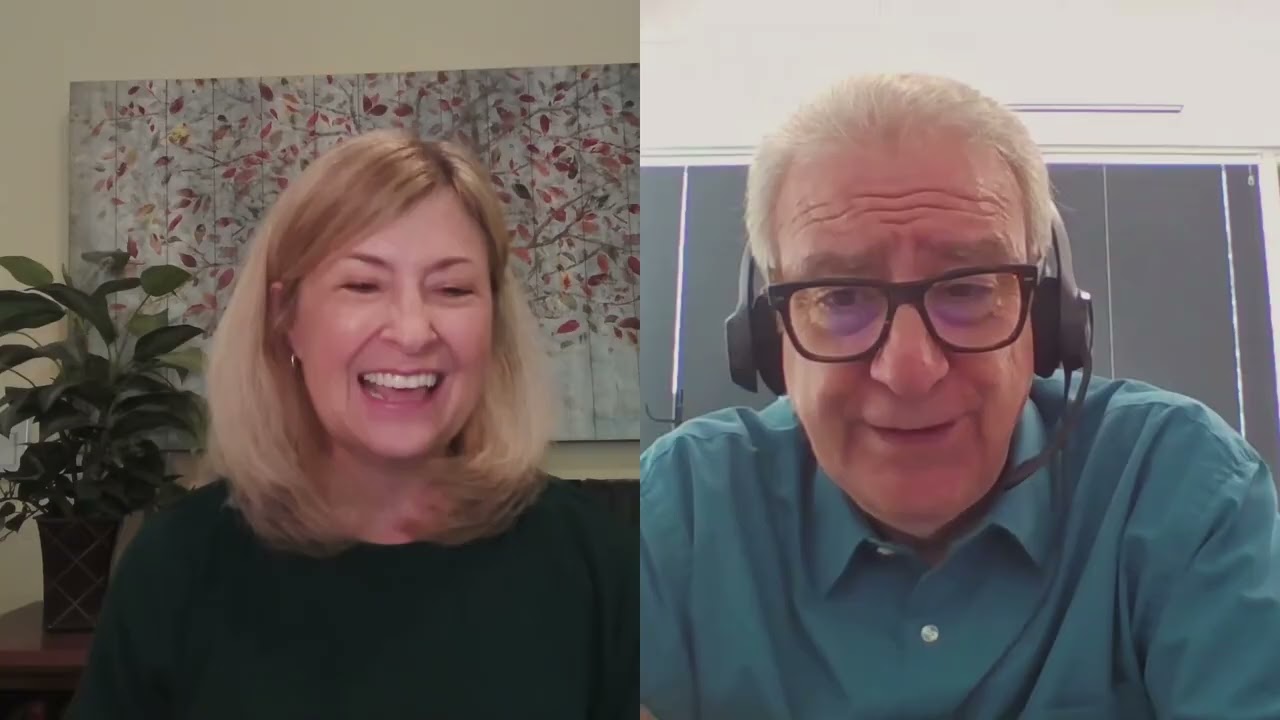
    In this episode of our Building Trust Video series, we talk with Beth Amodio, President and CEO of One Warm Coat. Read our full report on the organization here, https://give.org/charity-reviews/human-services/one-warm-coat-in-san-francisco-ca-9999-54772

  • Spokane Wildfire Relief: How to Give Wisely and Help

    Spokane Wildfire Relief: How to Give Wisely and Help

    Spokane wildfire relief begins with generosity and knowing how to make sure your donation can make a difference.

    Spokane Wildfire Recovery Is Underway

    Three major wildfires devastated the Spokane area beginning August 1, 2026, burning more than 10,500 acres, forcing evacuation of 65,000 residents, destroying more than 900 homes, and damaging hundreds of structures.

    Now, with the fires largely contained, one suspect arrested, and many evacuation orders lifted, cleanup and recovery efforts are underway. But neighborhoods remain hazardous, many families are still displaced, and the recovery will take time.

    Trusted Charities Providing Spokane Wildfire Relief

    Some BBB Accredited Charities are assisting with response and recovery:

    Tips for Donating Wisely After the Spokane Wildfires

    For those looking to help people affected by the fires or support organizations providing relief in the area, here are some tips to help you make wise giving decisions:

    • Give to established charities. Charities with experience responding to disasters are more likely to have the resources, relationships, and expertise to provide assistance quickly and effectively. Be cautious of organizations formed in the wake of a disaster, as they may not have the connections, budgets, or experience to deliver on their promises.

    • Give money to enable flexibility. Monetary donations are typically the quickest and most effective way to help, giving charities the flexibility to direct resources where they are needed most.

    • Consider volunteering or in-kind donations, when appropriate. If you live near an affected area, volunteering or donating goods can be beneficial. For example, there may be opportunities to provide temporary housing for firefighters or donate nonperishable food. Contact organizations such as the Salvation Army or United Way to learn what is currently needed.

    • Understand crowdfunding. If you are considering a crowdfunding campaign, it is safest to give to someone you personally know and trust. Review the platform’s policies and procedures, keeping in mind that while some crowdfunding sites take steps to vet campaigns, others do not.

    • Be wary of vague appeals. Be cautious of appeals that do not clearly explain how donations will be used. Will funds help displaced families with temporary shelter, or help deploy emergency personnel?

    • Be scam-aware. Watch for celebrity impersonations, suspicious links or QR codes on social media, and phishing emails. If you have a particular charity in mind, double-check the organization’s name and go directly to its official website to make your donation safely. You can find additional information about spotting charity impersonation scams here.

    • Verify charity trustworthiness. We recommend supporting charities that meet all 20 BBB Standards for Charity Accountability. If a BBB charity report is not available for an organization you are considering, review its website for information on past achievements, leadership, financial transparency, and the specific types of support it provides.

    Want to learn more about disaster giving? Explore our guide to disaster relief to understand the phases of disaster response and how charities help before, during, and after a disaster.

    BBB Accredited Charities Supporting Spokane Wildfire Relief

    The following organizations are BBB Accredited Charities that are currently raising funds to support recovery after the wildfires in the Spokane area. As additional BBB Accredited Charities launch wildfire response efforts, they will be added to this list.
    Charity NameBBB Give.org ReportSpokane Wildfire Response
    American Red CrossReview Report Learn more and give
    Direct ReliefReview Report Learn more and give
    Salvation ArmyReview ReportLearn more and give
    United Way of Pierce CountyReview ReportLearn more and give
  • Wise Giving Wednesday: Understanding Gen Z Charitable Giving

    Wise Giving Wednesday: Understanding Gen Z Charitable Giving

    Gen Z is changing the playbook for how donors discover, support, and stay connected to causes.

    Meet Gen Z: A New Generation of Donors

    As Generation Z (also known as Gen Z) comes of age, and with many already in the workforce, voting in national or local elections, and engaging with the charitable sector, we would like to shine a spotlight on this cohort and its giving habits, some of which may surprise you.

    Gen Z, defined as those born between 1997 and 2012, grew up in an era of constant connectivity driven by the widespread use of mobile devices, high-speed internet, social media, on-demand streaming services, and (now) artificial intelligence (AI). They could access and share news, information, and personal updates almost instantly.

    These formative experiences have influenced Gen Z’s worldview, including their attitudes toward giving and social responsibility. As charities seek to connect with this emerging generation of donors, we summarize important research about their generosity and giving habits.

    How Technology Is Shaping Gen Z Charitable Giving

    The Indiana University Lilly Family School of Philanthropy’s The Next Generation Report notes that Gen Z and Millennial donors approach giving differently from older generations, relying on technology to make donations, gather information, evaluate impact, and engage with causes.

    Similarly, our recent Give.org Donor Trust Report: Online Giving Platforms and Donor Expectations found that nearly 60% of Gen Z and Millennial respondents identified social media as a leading way they learn about charitable organizations, compared with just 18% of Baby Boomers.

    Classy’s 2022 report on Why America Gives also found that Gen Z and Millennial donors were four times more likely to learn about causes from influencers and celebrities compared to traditional donors. 

    Gen Z Generosity Goes Beyond Donations

    Next Generation donors are more technology-focused, issue-driven, and likely to pursue social impact through crowdfunding, impact investing, advocacy, volunteering, and skills-based support.

    A GoFundMe and GivingTuesday report further suggests that Gen Z is among the most generous generations when generosity is defined broadly, and that Gen Zers are most likely to support and amplify causes through their networks.

    Similarly, the Classy 2022 survey found that next-generation donors were 2.7 times more likely to host an individual fundraising page on behalf of an organization they support.

    What Gen Z Donors Look for in Charities

    For nonprofits hoping to engage Gen Z, maintaining an active, informative, and approachable online presence is increasingly important.

    The above studies and others, including Blackbaud’s Gen Z at the Table report, suggest that younger donors are more responsive to causes, impact statements, and opportunities for social change than institutional reputation alone.

    How Charities Can Build Lasting Relationships With Gen Z Donors

    While their generosity extends beyond traditional charitable giving, their monetary contributions are more likely to be spontaneous, issue-driven, and influenced by personal networks.

    This does not mean Gen Z cannot become loyal donors over time.

    Importantly, Morning Consult notes that, while many brands are trusted less by Gen Z than older US adults, this is in part due to age: “Trust is built through years of repeated, positive exposure, and Gen Z hasn’t had those years yet.”

    Similarly, Independent Sector’s 2022 Trust in Civil Society report found that familiarity and engagement are associated with higher trust.

    Charities have meaningful opportunities to engage Gen Z donors.

    According to Give.org Donor Trust Report 2026, younger respondents were more likely to report being open to receiving outreach from charities, while older respondents were more likely to feel that they had been asked to give more than they should.

    In an earlier Give.org Donor Trust Report on Donor Participation, almost half (47%) of Gen Z donors attribute their contributions to a desire to be part of something bigger. That is something that charities can help them do.

    The 2025 Bank of America Study of Philanthropy: Charitable Giving by Affluent Households research points to the value of both engagement and household decision making as drivers of generosity.

    The study found that volunteers gave almost three times larger gifts, as well as a rise in wealthy families making giving decisions together. Still, Bank of America suggests that, with only 13% of family giving decisions involving children, grandchildren, or other young relatives, there is a significant opportunity for engagement.

    Gen Z represents the next generation of donors, and their path to philanthropy may look different from previous generations. By building trust, creating meaningful opportunities for engagement, and meeting younger donors where they are, charities can help turn early interest and participation into lifelong relationships.


    Recent Reports

    We are always working with charities to publish or update reports for donors. Visit Give.org to check out any charity before giving. Our recently evaluated charities include:

    Finally, remember to let us know by going to give.org/charity-inquiry if you are interested in seeing a report on a charity not on the list and we will do our best to produce one.

  • Colombia Earthquake Relief: How to Donate Wisely and Find Trusted Charities

    Colombia Earthquake Relief: How to Donate Wisely and Find Trusted Charities

    Looking to support Colombia earthquake relief efforts? A few smart checks can help you give with confidence to trusted charities.

    Colombia Earthquake: What We Know So Far

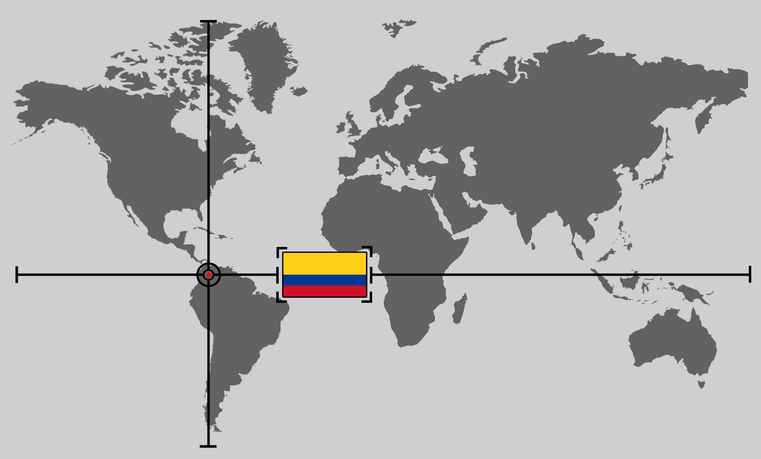
    Yesterday, August 10, a 7.4 magnitude earthquake struck Colombia. According to the Associated Press, at least 179 people have been reported dead, and more than 3,000 are missing, as search-and-rescue continues.

    Approximately 1,600 buildings have been damaged or collapsed. CNN reports that emergency personnel are working to clear rubble and debris, while some communities near the epicenter remain difficult to reach.

    As relief efforts unfold, we are reminded of the words of Gabriel García Márquez, who, in a UNESCO interview about the interconnectedness of Latin America, expressed his hope for “a world in which true solidarity is possible.” Today, Colombia needs that solidarity.

    How Charities Are Responding to the Colombia Earthquake

    BBB Accredited Charities have already begun mobilizing in response to the earthquake, assessing urgent needs and preparing medical supplies, essential relief items, and other lifesaving assistance.

    Teams are also working to support children and families as search-and-rescue operations continue and the full extent of the damage becomes clear.

    Tips for Donating to Colombia Earthquake Relief

    For those looking to support organizations providing relief in Colombia, here are some tips to help you make wise giving decisions:

    • Choose Experienced Organizations. Support experienced organizations with the capacity to respond quickly and effectively. Be cautious of organizations formed in the wake of a disaster. While they may be well intentioned, they may not have the experience or infrastructure needed to deliver on their stated relief efforts.
    • Look for On-the-Ground Presence. Charities with established operations in affected areas can often respond more quickly and effectively.
    • Seek Clear Appeals. Look for appeals that are upfront and clear about what disaster relief services you are supporting.
    • Give Money Rather Than Goods. Donating money is typically the quickest and most effective way to help, giving charities the flexibility to direct resources where they are needed most.
    • Understand Crowdfunding. If considering crowdfunding, it is safest to give to someone you personally know and trust. Review the platform’s policies and procedures, keeping in mind that while some crowdfunding sites take measures to vet posts, others don’t.
    • Verify Charity Trustworthiness. Before you donate, visit Give.org to check whether a charity meets the 20 BBB Standards for Charity Accountability. 

    Want to learn more about disaster giving? Explore our guide to disaster relief to understand the phases of disaster response and how charities help before, during, and after a disaster.

    BBB Accredited Charities Supporting Colombia Earthquake Relief

    The following organizations are BBB Accredited Charities currently raising funds to support earthquake relief efforts in Colombia. As additional BBB Accredited Charities launch earthquake-related response efforts, they will be added to this list.

    Charity NameBBB Give.org ReportRelief Efforts
    AmericaresReview ReportRelief efforts
    Catholic Relief ServicesReview ReportRelief efforts
    Direct ReliefReview ReportRelief efforts
    GlobalGivingReview ReportRelief efforts
    International Rescue CommitteeReview ReportRelief efforts
    Oxfam AmericaReview ReportRelief efforts
    Save the ChildrenReview ReportRelief efforts
    UNICEF USAReview ReportRelief efforts

    Supporting Earthquake Relief Across Latin America

    Communities in Venezuela are also recovering from devastating earthquakes. If you’re looking for additional ways to help, read our guide to Venezuela earthquake relief for tips on giving wisely and a list of BBB Accredited Charities supporting relief efforts.

  • Wise Giving Wednesday: Support Students and Teachers This Back-to-School Season

    Wise Giving Wednesday: Support Students and Teachers This Back-to-School Season

    Back-to-school season is the perfect time to support trusted charities helping students, teachers, and classrooms thrive.

    Why Back-to-School Giving Matters

    This August, an estimated 54.4 million K-12 students and 5.9 million teachers are heading back to school.

    For many families, this time of year is filled with formative memories and familiar emotions: the nervous excitement of new backpacks, classrooms, and friends; comforting children as they begin a new school year (or prepare for their last); and parents simultaneously enjoying and lamenting the end of summer break.

    At the same time, back-to-school season is a reminder that costs can be unmanageable for some parents, that classrooms are often under-resourced, and that helping students succeed takes a village.

    How Charities Make a Difference During Back-to-School Season

    It may surprise you to know just how active charities are in supporting students and schools, and the variety of ways your charitable giving can make a difference.

    Supporting students, teachers, and classrooms.

    Some charities focus directly on helping classrooms thrive by providing books, school supplies, and other educational resources.

    For example, DonorsChoose.org helps teachers obtain resources and materials that public schools may not otherwise be able to provide. Communities in Schools connects students with the relationships and community resources they need to thrive. Richmond-based Read to Them partners with schools to build a culture of literacy by providing books and tools. The organization reports that, for many children, the books they receive through its programs are the first books they have ever owned.

    Promoting Student Health, Learning and Well-Being.

    Many charities work alongside schools to improve students’ health, nutrition, mental health, and overall well-being.

    BBB Accredited Charities help increase food security through school pantries and backpack meal programs, provide health services and health education, expand access to mental health resources, promote school readiness and inclusive education, improve schoolyards and outdoor learning spaces, and much more. For example, Feeding America and its network of local food banks offer food panties located inside or close to schools; the American Heart Association partners with schools to promote happy and healthy students; and the Military Child Education Coalition develops resources that help educators support military-connected students.

    Creating Healthier Learning Environments

    Some charities help schools create healthier places to learn through outdoor classrooms, school gardens, playgrounds, and environmental education.

    Trust for Public Land works with school districts to transform schoolyards into vibrant green spaces that support learning, play, and community use. The Nature Conservancy offers resources to help schools build school gardens, and the National Wildlife Federation’s Eco-Schools program helps schools integrate environmental learning into everyday education.

    Tips for Supporting Back-to-School Charities Wisely

    If you are looking for ways to give this back-to school season, here are a few tips to help you give wisely:

    • Reflect on What Matters Most to You. There are many ways to help kids succeed in schools, including food security, literacy, green spaces and playgrounds, inclusive education, health or environmental education, and much more.

    • Support Charities in your Community:  Whether their programs include backpack drives, school meals, or after-school programs, you can make a difference in your community by donating or volunteering.

    • Support National Charities with Broad Reach. For example, organizations like  Feeding America or Communities in Schools have both national and local reach.

    • Ask the Charity How You Can Best Support Them. There are many ways to help, including volunteering to mentor students or read with children, donating school supplies or food, or making a financial contribution.

    • Know Where Retail Donations Go. This time of year, some retailers promote school supply drives or roundup campaigns. Ask who benefits, which specific charity will receive the donations, and how the contributions will be used.

    • Understand Crowdfunding. Some schools use online giving platforms to raise money for specific classroom needs. If you are considering giving through a crowdfunding campaign, it is safest to donate to someone you personally know and trust. Review the platform’s policies and procedures, keeping in mind that while some crowdfunding sites take steps to vet campaigns, others do not. Organizations like DonorsChoose.org and AdoptAClassroom.org also offer ways to support specific classroom needs and school projects.

    BBB Accredited Charities Supporting Teachers and Schools

    The following BBB Accredited Charities are helping students, teachers, and schools. We will continue updating this list as we learn of more Accredited Charities partnering with schools.
    Charity NameBBB Give.org ReportSupport Teachers and Schools
    AdoptAClassroom.orgBBB Give.org ReportSupport Teachers and Schools
    Communities In SchoolsBBB Give.org ReportSupport Teachers and Schools
    DonorsChoose.orgBBB Give.org ReportSupport Teachers and Schools

    BBB Accredited Charities With Cause Programs in Schools

    The following BBB Accredited Charities are working in schools through programs such as literacy, nutrition, health, environmental education, mentoring, and others. We will continue updating this list as we learn of more Accredited Charities partnering with schools.

    Charity NameBBB Give.org ReportSupport Cause Programs in Schools
    American Heart AssociationBBB Give.org ReportCause Programs in Schools
    American Diabetes AssociationBBB Give.org ReportCause Programs in Schools
    American Cancer SocietyBBB Give.org ReportCause Programs in Schools
    Autism SpeaksBBB Give.org ReportCause Programs in Schools
    Big Brothers Big Sisters of Metro MilwaukeeBBB Give.org ReportCause Programs in Schools
    Boys and Girls Clubs of AmericaBBB Give.org ReportCause Programs in Schools
    Blue Star FamiliesBBB Give.org ReportCause Programs in Schools
    Campaign for Tobacco-Free KidsBBB Give.org ReportCause Programs in Schools
    Center for Science in the Public InterestBBB Give.org ReportCause Programs in Schools
    Chesapeake Bay FoundationBBB Give.org ReportCause Programs in Schools
    Clearwater For YouthBBB Give.org ReportCause Programs in Schools
    DoSomethingBBB Give.org ReportCause Programs in Schools
    EastersealsBBB Give.org ReportCause Programs in Schools
    Feed the ChildrenBBB Give.org ReportCause Programs in Schools
    Feeding AmericaBBB Give.org ReportCause Programs in Schools
    Girls Incorporated of Tarrant CountyBBB Give.org ReportCause Programs in Schools
    GRASP Great Aspirations Scholarship ProgramBBB Give.org ReportCause Programs in Schools
    Helen Keller IntlBBB Give.org ReportCause Programs in Schools
    KABOOM!BBB Give.org ReportCause Programs in Schools
    Learning AllyBBB Give.org ReportCause Programs in Schools
    Marine Toys for Tots FoundationBBB Give.org ReportCause Programs in Schools
    Mental Health AmericaBBB Give.org ReportCause Programs in Schools
    Military Child Education CoalitionBBB Give.org ReportCause Programs in Schools
    NAMIBBB Give.org ReportCause Programs in Schools
    National Arbor Day FoundationBBB Give.org ReportCause Programs in Schools
    National Audubon SocietyBBB Give.org ReportCause Programs in Schools
    National Parks Conservation AssociationBBB Give.org ReportCause Programs in Schools
    National Wildlife FederationBBB Give.org ReportCause Programs in Schools
    Nature ConservancyBBB Give.org ReportCause Programs in Schools
    Partnership for the FutureBBB Give.org ReportCause Programs in Schools
    Read to ThemBBB Give.org ReportCause Programs in Schools
    Reading Is FundamentalBBB Give.org ReportCause Programs in Schools
    Richmond Performing Arts AllianceBBB Give.org ReportCause Programs in Schools
    Second Harvest Food Bank of North Central OhioBBB Give.org ReportCause Programs in Schools
    The Arc of the United StatesBBB Give.org ReportCause Programs in Schools
    Trust for Public LandBBB Give.org ReportCause Programs in Schools

    Find More Trusted Charities to Support

    In addition to these charities, many others serve children and youth both in the U.S. and internationally. 

    Always visit Give.org to see if the charity meets the 20 BBB Standards for Charity Accountability (i.e., a BBB Accredited Charity).

    If a BBB charity report is not available, review the organization’s website for additional details about its services, needs, and achievements.


    Recent Reports

    We are always working with charities to publish or update reports for donors. Visit Give.org to check out any charity before giving. Our recently evaluated charities include:

    Finally, remember to let us know by going to give.org/charity-inquiry if you are interested in seeing a report on a charity not on the list and we will do our best to produce one.
  • Wise Giving Wednesday: Bennett Weiner Named to the 2026 NPT Power & Influence Top 50

    Wise Giving Wednesday: Bennett Weiner Named to the 2026 NPT Power & Influence Top 50

    Trusted leadership strengthens the nonprofit sector, and Bennett Weiner’s 2026 NPT Top 50 recognition puts that work in the spotlight.

    Bennett Weiner Named to the 2026 NPT Top 50

    When The NonProfit Times released its 2026 NPT Power & Influence Top 50 list, we were proud (but not surprised) to see our own President and Chief Executive Officer, Bennett Weiner, recognized for his leadership at BBB Wise Giving Alliance.

    What Is the NPT Power & Influence Top 50?

    The 2026 NPT Top 50, now in its 29th year, recognizes leaders who demonstrate the ability to “play defense and offense at the same time,” navigating the challenges of 2025, from grant freezes and funding disruptions to cuts in international aid, while continuing to move the nonprofit sector forward.

    These 50 leaders were selected as “trailblazers for the nonprofit sector” who “resisted, fought, and built coalitions” to continue serving their constituents and communities.

    Why Bennett Weiner Was Recognized in 2026

    The NonProfit Times describes Bennett Weiner as steady and respected, highlighting his emphasis on technological innovation.

    BBB Wise Giving Alliance’s digital evaluation platform is cited as an important tool for maintaining donor trust and accountability.

    He was also recognized for leading initiatives such as “AskGive,” an AI-powered tool designed to help users navigate vetted charity content.

    Leaders Moving the Nonprofit Sector Forward

    Bennett Weiner is in good company.

    Other nonprofit leaders recognized in this year’s NPT Top 50 include Claire Casey, President of AARP Foundation; Nancy Brown, CEO of the American Heart Association; Jonathan T.M. Reckford, CEO of Habitat for Humanity International; and H. Art Taylor, President and CEO of the Association of Fundraising Professionals, who previously served as President and CEO of BBB Wise Giving Alliance from 2001 to 2025.

    The honorees will be celebrated at the National Press Club this fall at the 20th Power & Influence Top 50 Gala.

    A Career Dedicated to Wise Giving and Charity Accountability

    Congratulations to Bennett on this well-deserved recognition of his outstanding leadership.

    Over the years, he has been interviewed and quoted in print and broadcast media, testified before U.S. congressional committees on charity accountability issues, and is a past recipient of the BBB Meritorious Service Award.

    We continue to value Bennett’s decades of expertise in helping donors make informed giving decisions and keeping the public informed about the latest issues and trends in the charitable sector. His leadership helps BBB Wise Giving Alliance develop trusted advice, tools, tips, and alerts for donors while staying on the cutting edge in the fast-changing charitable giving space.


    Recent Reports

    We are always working with charities to publish or update reports for donors. Visit Give.org to check out any charity before giving. Our recently evaluated charities include:

    Finally, remember to let us know by going to give.org/charity-inquiry if you are interested in seeing a report on a charity not on the list and we will do our best to produce one.

  • Wise Giving Wednesday: Celebrate National Disability Independence Day by Giving Wisely

    Wise Giving Wednesday: Celebrate National Disability Independence Day by Giving Wisely

    Your support can help disability charities expand access, independence, and opportunity.

    Why National Disability Independence Day Matters

    On July 26, we celebrate Disability Independence Day, which commemorates the signing of the Americans with Disabilities Act (ADA) in 1990. Beyond celebrating the ADA, Disability Independence Day seeks to promote disability rights and inclusion by raising awareness of the experiences of people with disabilities and breaking down the barriers they face.

    The ADA is a civil rights law that prohibits discrimination on the basis of disability, affording protections similar to those the Civil Rights Act of 1964 affords people on the basis of race, color, religion, sex, and national origin. In addition to prohibiting discrimination, the ADA requires employers to provide reasonable accommodations to qualified employees with disabilities and establishes accessibility requirements for places of public accommodation, including private businesses and facilities that are open to the public.

    It’s likely that most of us know someone with a disability covered under the ADA. Beyond physical conditions such as amputations, blindness, mobility impairments, epilepsy, multiple sclerosis, muscular dystrophy, and many others, the ADA also protects people with mental health conditions and neurodevelopmental disabilities, including attention-deficit/hyperactivity disorder (ADHD), autism, post-traumatic stress disorder (PTSD), and schizophrenia, to name a few.

    5 Tips for Supporting Disability Charities

    Disability charities support many different communities through direct services, advocacy, research, and other programs. These five tips can help you find an organization that reflects your giving priorities.

    1. Decide What Kind of Disability Charity You Want to Support

    Charities serve people with a wide range of physical, mental health, and neurodevelopmental disabilities, including blindness, PTSD, intellectual disabilities, and epilepsy, to name a few.

    Consider (1) which disability or community the organization serves, and (2) the type of work the organization does.

    Some charities provide direct services to improve quality of life, while others focus on advocacy and civil rights or advancing research and treatment. Visit the charity’s website to learn about its mission and programs so you can support the work that matters most to you.

    2. Consider Cash and In-Kind Donations

    Monetary donations, especially recurring monthly or annual gifts, help charities plan ahead and sustain their operations.

    Other organizations may also welcome in-kind donations, such as clothing, furniture, or food, to support people with disabilities. Don’t hesitate to contact a charity to learn about its most pressing donation needs.

    Here’s a helpful resource to look over when giving in-kind gifts.

    3. Volunteer Your Time and Skills

    Just as with other causes, organizations supporting people with disabilities often rely on volunteers to deliver their programs and services.

    Reach out to find out whether you can help. If you have specialized skills or experience related to a particular disability, you may be especially well suited to volunteer.

    4. Support Veterans with Disabilities

    Keep in mind that many charities also support veterans and active-duty service members with disabilities. Consider supporting these organizations as well.

    For more information, including a list of BBB Accredited Charities in this category, visit our Veterans and Military Service Charities resource page.

    5. Verify the Trustworthiness of a Disability Charity Before You Give

    Visit Give.org before you give to see if the disability charity you are considering supporting is a BBB Accredited Charity (i.e., meets all 20 of the BBB Standards for Charity Accountability.)


    Recent Reports

    We are always working with charities to publish or update reports for donors. Visit Give.org to check out any charity before giving. Our recently evaluated charities include:

    Finally, remember to let us know by going to give.org/charity-inquiry if you are interested in seeing a report on a charity not on the list and we will do our best to produce one.
  • Wise Giving Wednesday: Trusted Charities Respond to the Venezuela Earthquakes

    Wise Giving Wednesday: Trusted Charities Respond to the Venezuela Earthquakes

    Thousands of families have been affected by the Venezuela earthquakes. Here’s how trusted charities are providing emergency relief and long-term recovery.

    How the Venezuela Earthquakes Are Affecting Communities

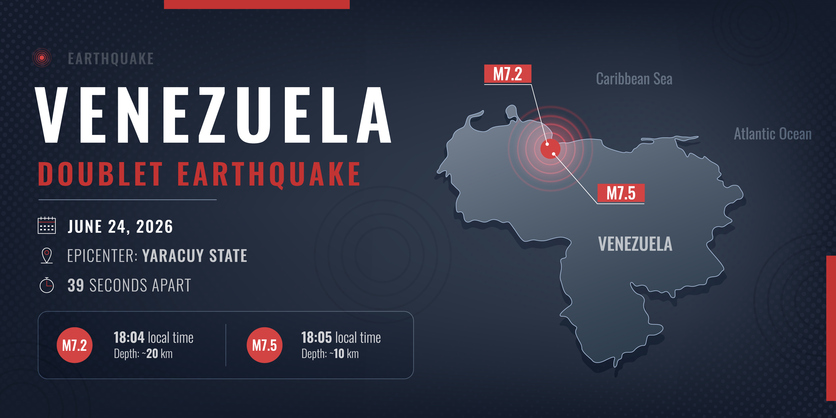
    The death toll from the earthquakes that struck Venezuela on June 24 has risen to 4,734 as of July 14, according to National Assembly President Jorge Rodríguez. As is often the case following major disasters, unofficial estimates of the death toll are considerably higher.

    Beyond these tragic losses, 16,740 people have been injured, and close to 18,000 displaced. The Venezuelan capital of Caracas and the state of La Guaira were especially hard hit. The mainshock of the earthquake is thought to have been Venezuela’s most powerful since the 1900 San Narciso earthquake.

    So far, 6,462 people have been rescued. First responders and volunteers from Venezuela and neighboring countries are working to provide food, clothing, and shelter to survivors while supporting the early stages of rebuilding homes and infrastructure.

    How Trusted Charities Are Responding

    Charities are playing a critical role in Venezuela’s recovery, providing emergency relief and supporting long-term rebuilding efforts.

    In this week’s Wise Giving Wednesday, we highlight the critical work of some of our accredited charities as they provide relief and support:

    • Americares is supporting medical teams providing primary medical care at a temporary clinic staffed by 35 professionals, where they are treating injuries, refilling medications, and providing laboratory testing, dental care, and mental health support. Learn more about their relief efforts →

    • International Rescue Committee is scaling up its emergency response in Venezuela by supporting clinics and mobile health units that provide primary, trauma, and mental health and psychosocial care; distributing hygiene kits and water purification products; and protecting people at heightened risk, especially women and children, in the aftermath of the earthquakes. Learn more about their relief efforts →

    • UNICEF USA and its partners are mobilizing additional staff and supplies. UNICEF’s first shipment arrived in Valencia, Venezuela, from Panama on June 27 and included 20 metric tons of medical supplies, tents, and water, sanitation, and hygiene supplies. A second shipment of 47 metric tons of humanitarian supplies arrived on June 30. Together, the shipments are expected to support 100,000 families for three months. Learn more about their relief efforts →

    • World Vision reports working with local church partners to reach 45,000 people across La Guaira, Caracas, and Miranda, providing emergency food aid, hygiene and water kits, recreational kits, and child protection services. World Vision’s teams have also established child-friendly spaces offering structured play, psychosocial support, and adult supervision to help children recover from trauma and protect them from the risks of violence, exploitation, and abuse. Learn more about their relief efforts →

    • Save the Children is providing emergency food, water, health care, and shelter assistance to families displaced by the earthquakes. Learn more about their relief efforts →

    Tips for Donating to Venezuela Earthquake Relief

    If you’re considering giving to Venezuelan earthquake relief, please see our recent article on how to donate and find trusted charities in the wake of the disaster. También disponible en español. As communities in Venezuela recover from devastating earthquakes, this article highlights ways to identify trusted charities providing relief and recovery support. 

    As always, we encourage you to visit Give.org to verify whether charities meet all 20 Standards for Charity Accountability before giving.

    Accredited Charities Supporting Venezuelan Earthquake Relief

    The following accredited charities are responding to the Venezuela earthquakes through emergency assistance, medical care, shelter, and long-term recovery efforts. (Updated 8/12/26)

    Charity NameBBB Give.org ReportRelief Efforts
    American Jewish Joint Distribution CommitteeReview ReportRelief efforts
    AmericaresReview ReportRelief efforts
    CARE USAReview ReportRelief efforts
    Catholic Relief ServicesReview ReportRelief efforts
    Direct ReliefReview ReportRelief efforts
    GlobalGivingReview ReportRelief efforts
    Heart to Heart InternationalReview ReportRelief efforts
    Helping Hand for Relief and DevelopmentReview ReportRelief efforts
    International Medical CorpsReview ReportRelief efforts
    International Rescue CommitteeReview ReportRelief efforts
    Oxfam AmericaReview ReportRelief efforts
    Project HOPEReview ReportRelief efforts
    Save the ChildrenReview ReportRelief efforts
    UNICEF USAReview ReportRelief efforts
    WaterStepReview ReportRelief efforts
    World ReliefReview ReportRelief efforts
    World VisionReview ReportRelief efforts

    Also responding to earthquake relief in Colombia? A powerful earthquake struck Colombia on August 10. See our Colombia earthquake relief guide for tips on donating wisely and BBB Accredited Charities supporting relief efforts.


    Recent Reports

    We are always working with charities to publish or update reports for donors. Visit Give.org to check out any charity before giving. Our recently evaluated charities include:

    Finally, remember to let us know by going to give.org/charity-inquiry if you are interested in seeing a report on a charity not on the list and we will do our best to produce one.
  • Wise Giving Wednesday: Bennett Weiner on Charity Trust, AI, and Online Giving

    Wise Giving Wednesday: Bennett Weiner on Charity Trust, AI, and Online Giving

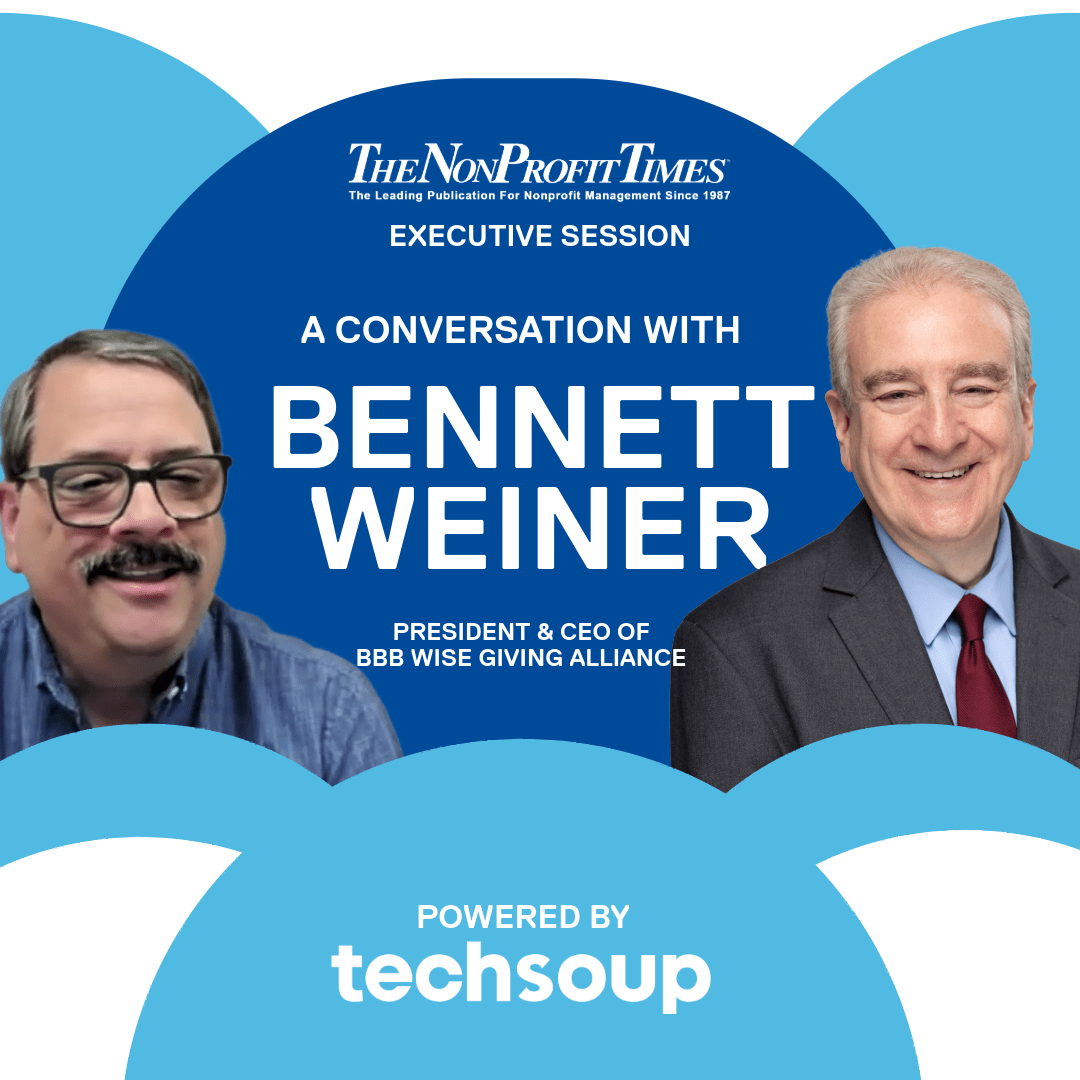
    Photo courtesy of The NonProfit Times.

    A recent NonProfit Times conversation with Bennett Weiner offers timely insight into how charities can strengthen donor trust as AI, online giving, and donor expectations evolve. 

    Bennett Weiner’s NonProfit Times Executive Session: Key Takeaways

    Last month, BBB Wise Giving Alliance President & CEO Bennett Weiner joined Paul Clolery for a NonProfit Times Executive Session on AI donor trust, and charity accountability.

    Their conversation explored how nonprofits can strengthen donor trust through transparency, responsible governance, accurate communications, and thoughtful adoption of emerging technologies. Public trust remains one of the nonprofit sector’s most valuable assets. As technology, online giving, and donor expectations continue to evolve, organizations have new opportunities and responsibilities.

    Six key themes from the discussion included:

    The Donor Trust Gap Persists

    Our December 2025 donor survey found that 68% of Americans say trust is essential when deciding to donate, yet only 18% report a high level of trust in charities, highlighting the persistent “trust gap.” As nonprofits face financial pressures and increased scrutiny, demonstrating trustworthy practices can help organizations stand apart.

    Giving Platforms Influence Donor Confidence

    The recently released BBB Give.org Special Donor Trust Report, Online Giving Platforms and Donor Expectations found that 62% of giving platform users, and 47% of respondents overall, say a charity’s presence on a well-known donation platform would increase their trust in the charity.

    The findings suggest many donors assume or expect some level of oversight, underscoring the importance of transparency about how giving platforms operate.

    Charity Impersonation Scams Are Evolving

    Advances in technology are making scams more convincing, including fraudulent emails, websites, texts, and even AI-generated voices or images that imitate legitimate organizations.

    Bennett encouraged both charities and donors to remain vigilant by directing supporters to official websites and reminding donors to verify unfamiliar fundraising requests before giving. Learn more in our earlier post, How to Spot Charity Impersonation Scams.

    AI Presents Both Opportunities and Risks for Nonprofits

    AI can help nonprofits improve efficiency through specialized tools that support fundraising, finance, human resources, and other operational functions.

    At the same time, organizations must recognize the risks associated with inaccurate information, misinformation, and increasingly sophisticated fraud, making careful oversight and responsible implementation essential.

    Accurate and Transparent Charity Information Matters More Than Ever

    As AI systems increasingly rely on information published online, charities should regularly review and update their websites to ensure content remains current and accurate.

    Bennett also emphasized the importance of making key information readily available, including board leadership, financial statements, IRS Form 990, organizational accomplishments, and other transparency materials that help donors make informed giving decisions.

    Privacy Policies Help Build Donor Confidence

    Donors are increasingly aware of how their personal information is collected and shared online. Every nonprofit should maintain an accessible privacy policy that clearly explains what information is collected, how it is used, and what choices donors have regarding their data, even when third-party platforms process donations on the organization’s behalf.

    Find additional information in our Donor Trust Special Report on donor perspectives on privacy and security.

    Our research also found that, as charities increasingly rely on digital tools, many potential donors remain cautious about sharing personal information. For example, when asked to consider donating to a charity they haven’t previously supported, 69% of respondents expressed concern that their data could be hacked or stolen.

    Watch Bennett Weiner’s Full NonProfit Times Executive Session

    Building and maintaining public trust requires ongoing attention to transparency, accountability, and responsible stewardship.

    We invite you to watch the full The NonProfit Times Executive Session, “AI Might Damage Your Ability to Raise Money,” featuring Bennett Weiner. 


    Recent Reports

    We are always working with charities to publish or update reports for donors. Visit Give.org to check out any charity before giving. Our recently evaluated charities include:

    Finally, remember to let us know by going to give.org/charity-inquiry if you are interested in seeing a report on a charity not on the list and we will do our best to produce one.