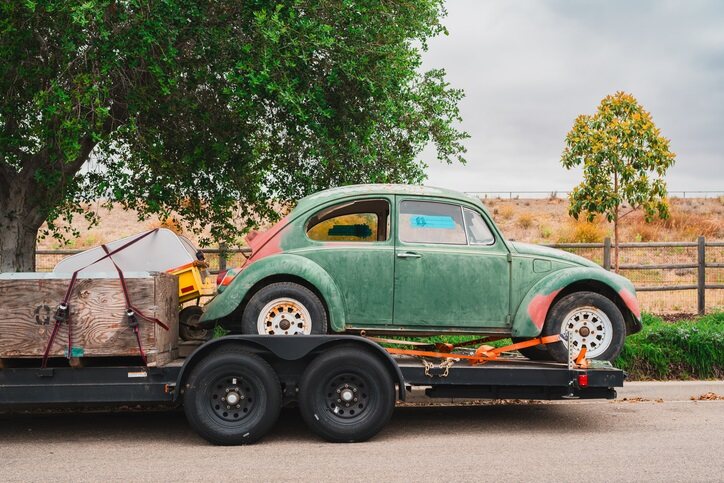
Guide to Car Donations for Charities
Thinking about donating your car? Our Guide to Car Donations covers six key things to know, FAQs, and a list of BBB Accredited Charities that accept vehicle donations.
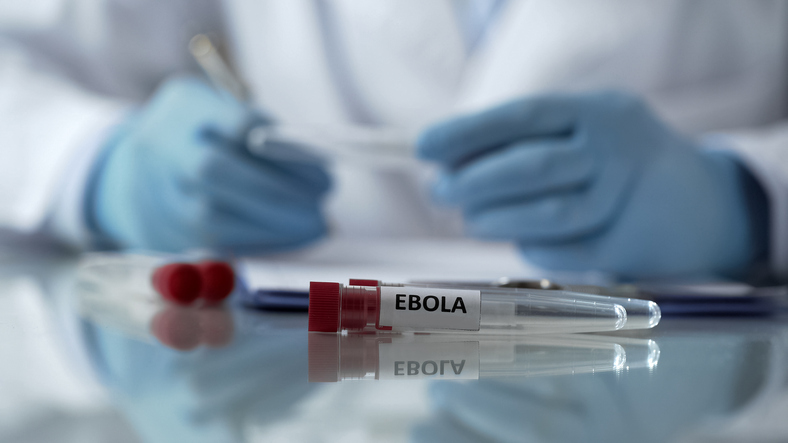
When an outbreak draws urgent attention, thoughtful giving matters. Here’s how to support trusted Ebola response efforts and avoid scams.
An Ebola outbreak centered in the Democratic Republic of the Congo (DRC) and affecting neighboring Uganda is drawing increasing attention from public health authorities, humanitarian organizations, and governments around the world.
While experts are not calling for panic, many are emphasizing the importance of early action to support containment efforts and protect vulnerable communities.
Responders are working to contain the disease while navigating a complex operating environment.
According to ABC News, medical professionals on the ground describe an environment marked by fear, misinformation, insecurity, and distrust, making it harder to identify cases, trace contacts, and encourage people to seek treatment.
International health authorities stress that containment remains the priority.
The World Health Organization has declared the outbreak a Public Health Emergency of International Concern, while the U.S. Centers for Disease Control and Prevention is actively supporting response efforts. The Gates Foundation recently announced an initial $15 million commitment to support the African-led response, highlighting the importance of coordinated international action.
Public health experts note that Ebola is not spread through the air and that rapid identification, isolation, and other infection-control measures remain effective tools for limiting transmission.
International Rescue Committee (IRC), a BBB Accredited Charity, warned that delayed detection and gaps in contact tracing may mean the outbreak has been spreading undetected for longer than initially understood.
At the same time, the organization emphasized that strengthening infection prevention, supporting frontline health workers, and improving community outreach can help contain further spread.
For donors considering support, informed giving can help ensure resources reach the people and communities most affected. Below is a list of BBB Accredited Charities responding to the Ebola outbreak.
| Charity Name | BBB Give.org Report | Relief Efforts |
|---|---|---|
| Catholic Relief Services | Review Report | Learn more and donate |
| Direct Relief | Review Report | Learn more and donate |
| Global Impact | Review Report | Learn more and donate |
| International Rescue Committee | Review Report | Learn more and donate |
| Oxfam | Review Report | Learn more and donate |
| Project HOPE | Review Report | Learn more and donate |
| UNICEF USA | Review Report | Learn more and donate |
This list will be updated as we learn of other BBB Accredited Charities supporting the response. (Updated )
Times of heightened public attention can also create opportunities for bad actors. Before you donate, watch for these common warning signs and take a few moments to verify where your money is going.
1. Pause When an Appeal Uses High-Pressure Tactics
Scammers frequently manipulate emotions with urgent stories about people or animals in desperate need, while providing few verifiable details. Even during genuine times of need, trustworthy charities will welcome follow-up questions and will gladly accept your donation when you are ready.
2. Avoid Unusual Payment Methods
Be cautious if someone insists on payment with cryptocurrency like Bitcoin and avoid any requests to donate via gift cards, wire transfers, cash apps or virtual currency. Requests for these payment methods are common warning signs of scams because the funds are often difficult or impossible to recover.
3. Double-Check Similar-Sounding Charity Names
Be cautious of appeals that use names very similar to well-known charities. Scammers often rely on familiarity and goodwill, counting on donors who may not pause to verify before giving.
4. Watch for Charity Impersonation
Carefully check website addresses, usernames, and donation links. If you donate through Venmo, PayPal, or Cash App, make sure you are using the charity’s official and verified account. Scammers may create look-alike usernames, profiles, or QR codes that closely resemble legitimate organizations. When possible, navigate to the payment account through the charity’s official website or look for verification indicators provided by the platform before sending money.
5. Take a Moment to Research the Charity
Take time to visit the charity’s website, visit Give.org, or verify that the charity is registered with the IRS or your state charity regulator. You can verify an organization’s charitable tax-exempt status through the IRS Tax Exempt Organization Search. In addition, about 40 states require charities to register with the attorney general’s office or secretary of state before soliciting donations.
6. Report Suspected Donation Scams
If something feels unusual (whether it is the tone of a message, an unexpected payment request, or a new account claiming to represent a familiar organization) contact the charity directly using information from its official website. If you encounter a potential scam, contact your state attorney general’s office or the Federal Trade Commission to help authorities investigate questionable activities.
Before giving, visit Give.org to see whether the charity you’re considering meets the 20 BBB Standards for Charity Accountability and to better understand its transparency and accountability practices.
While outbreaks like this can feel distant, early support for trusted response organizations can help strengthen containment efforts and protect vulnerable communities. By taking the time to give thoughtfully, you can help ensure that resources reach trustworthy charities working on the front lines.
We are always working with charities to publish or update reports for donors. Visit Give.org to check out any charity before giving. Our recently evaluated charities include:
Finally, remember to let us know by going to give.org/charity-inquiry if you are interested in seeing a report on a charity not on the list and we will do our best to produce one.