
Telephone Appeals
Get smart about charity telemarketing calls. Learn key questions to ask, how to verify legitimacy, and how to opt out of future calls.
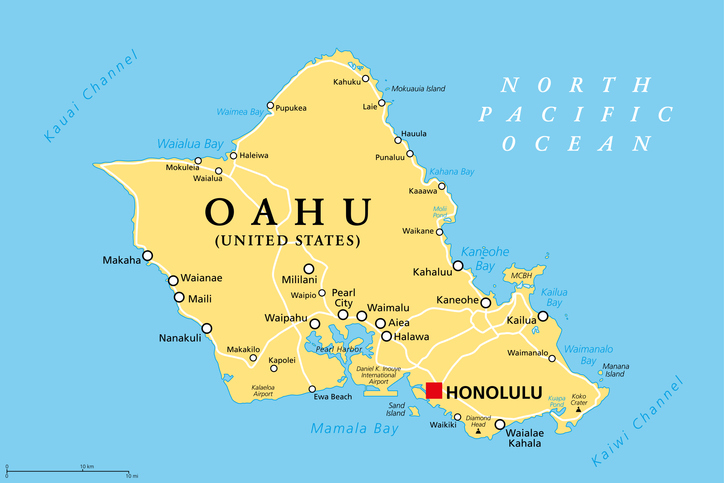
As severe flooding disrupts communities on Oahu, many donors are looking for effective ways to support relief and recovery.
Severe flooding across parts of Hawaii has caused significant damage to homes, infrastructure, and local communities, displacing residents and disrupting daily life.
According to the Associated Press, hundreds of homes on Oahu’s North Shore had been damaged by last week’s flooding. Torrential rains from a series of Kona low weather systems inundated homes, roads, and farms with deep, muddy water, lifting homes off foundations and forcing thousands of residents to evacuate or seek higher ground as officials continue cleanup and recovery efforts.
While the immediate flood threat has eased in some areas, communities are still grappling with displacement, infrastructure damage, contaminated water, and costly cleanup.
As emergency relief and recovery efforts continue, many individuals and families are facing urgent challenges, from securing safe shelter to accessing basic necessities. For those looking to help, consider the following tips:
Prioritize organizations with a local presence. Charities that already operate in affected areas are often better equipped to respond quickly and deliver aid where it’s needed most.
Be cautious of newly formed organizations in the wake of a disaster. While well-intentioned, newly formed organizations may lack the skills or connections to deliver assistance effectively. Established organizations often have the systems and expertise needed to respond quickly and responsibly.
Look for clear and specific appeals. Trustworthy organizations will be clear about what disaster relief services you are supporting. For example, during a flood, charities may offer shelter, food, medical care, or other relief services.
Give money rather than goods. Donating money is typically the fastest and most effective way to help, giving organizations the flexibility to allocate resources based on urgency. Especially for disasters occurring far from where donations originate, managing donated gifts is complicated.
Review crowdfunding platform’s policies and procedures. While some crowdfunding sites take measures to vet posts, others don’t. If considering crowdfunding, it is also safest to support someone you personally know and trust.
Verify charity trustworthiness. We recommend supporting charities that meet all 20 BBB Standards for Charity Accountability, such as the American Red Cross. If a BBB charity report is not available for an organization you are considering, review its website for information on past achievements, leadership, financial transparency, and the specific types of support it provides.
In times of disaster, it’s natural to want to act quickly. But pausing to give thoughtfully can make a big difference.
For more tips on giving after a disaster and finding trustworthy charities, visit our cause page on disaster relief. (Updated 3/25/26)
We are always working with charities to publish or update reports for donors. Visit Give.org to check out any charity before giving. Our recently evaluated charities include:
Finally, remember to let us know by going to give.org/charity-inquiry if you are interested in seeing a report on a charity not on the list and we will do our best to produce one.